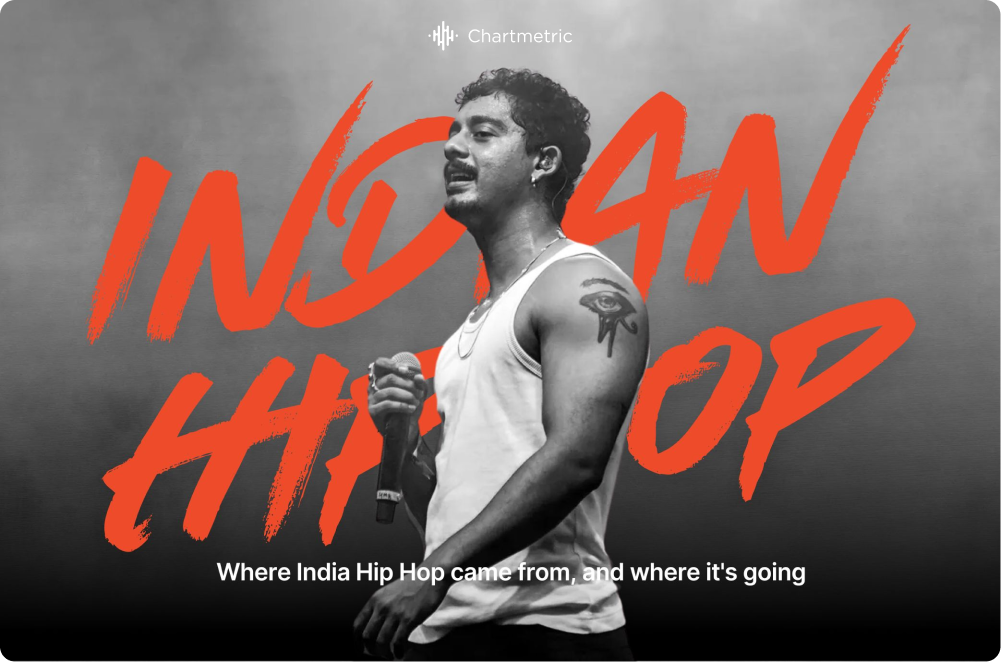
The Rise of Desi Hip-Hop: Trends to Watch in 2025
If you had told me ten years ago that desi hip-hop would be dominating global playlists, I might have laughed it off. Fast forward to 2025, and here we are—desi hip-hop is not just a genre; it’s a movement. From underground rappers in small-town India to chart-topping collaborations with international artists, desi hip-hop is finally getting its due.
As someone who has dabbled in music production and spent countless nights in my studio obsessing over beats, I can tell you firsthand how this genre is evolving and why it’s here to stay. Let’s dive into the key trends shaping desi hip-hop in 2025 and how you, as an upcoming artist or music lover, can ride this wave.
Desi Beats Meet Global Sounds
One of the most exciting developments in desi hip-hop is the fusion of traditional Indian sounds with global music styles. Artists like DIVINE, Raftaar, and Raja Kumari have been leading the charge, blending Punjabi dhol beats, Carnatic influences, and even Bollywood melodies with trap, drill, and lo-fi beats.
I remember working on a beat for a friend’s wedding anthem, and we ended up layering a soulful bansuri melody over a hard-hitting trap rhythm. The result? A track that got everyone from the bride’s grandma to the groom’s college buddies grooving on the dance floor. This kind of cross-cultural blend is exactly what’s making desi hip-hop so appealing worldwide.
Pro Tip:
Experiment with your roots. Whether it’s sampling a traditional bhajan or using regional instruments like the tabla, infusing your beats with cultural elements adds authenticity and uniqueness to your music.
Digital Communities: The Heartbeat of Desi Hip-Hop
One of the most exciting developments in desi hip-hop is the fusion of traditional Indian sounds with global music styles. Artists like DIVINE, Raftaar, and Raja Kumari have been leading the charge, blending Punjabi dhol beats, Carnatic influences, and even Bollywood melodies with trap, drill, and lo-fi beats.
I remember working on a beat for a friend’s wedding anthem, and we ended up layering a soulful bansuri melody over a hard-hitting trap rhythm. The result? A track that got everyone from the bride’s grandma to the groom’s college buddies grooving on the dance floor. This kind of cross-cultural blend is exactly what’s making desi hip-hop so appealing worldwide.
Pro Tip:
Experiment with your roots. Whether it’s sampling a traditional bhajan or using regional instruments like the tabla, infusing your beats with cultural elements adds authenticity and uniqueness to your music.
Lyrics That Reflect Realities
Desi hip-hop stands out because of its raw, unfiltered storytelling. While Bollywood music often leans into escapism, hip-hop brings the mic to real issues—be it social inequality, mental health, or personal struggles. Tracks like DIVINE’s “Mere Gully Mein” or Emiway Bantai’s “Machayenge” are more than just catchy beats; they’re anthems that connect with listeners on a deeper level.
In 2025, the trend is moving toward hyper-local storytelling. Artists are rapping in their regional languages, addressing issues specific to their communities. This not only adds a layer of relatability but also opens up the genre to a more diverse audience.
My Take:
I once collaborated with an Assamese rapper who wanted to shed light on the flood crisis in his hometown. Hearing his pain and passion through his verses reminded me why I fell in love with music in the first place—it’s a medium for truth.
AI-Driven Beat Production
Let’s talk tech. AI is transforming the way music is created, and desi hip-hop is no exception. Tools like Amper Music and AIVA are helping artists create professional-grade beats without expensive studio setups. Whether you’re a seasoned producer or someone just starting, AI allows you to experiment with genres, layer sounds, and perfect your tracks with minimal effort.
I’ll admit, I was a little skeptical about AI at first. It felt impersonal, almost like cheating. But then I tried using an AI tool to add subtle percussion to one of my tracks, and it was a game-changer. The key is to use AI as a collaborator, not a replacement for your creativity.
Pro Tip:
Use AI tools to save time on repetitive tasks like mastering or loop creation.
Combine AI-generated ideas with your personal touch for a unique sound.
5. The Rise of Regional Hip-Hop Crews
The Rise of Regional Hip-Hop Crews
Another trend taking off is the formation of regional hip-hop crews. These collectives bring together rappers, producers, and dancers from specific areas to create a unique subculture. Crews like Gully Gang (Mumbai) and Dopeadelicz (Chennai) are not just making music—they’re building communities.
These crews often function as incubators for talent, helping upcoming artists navigate the industry while staying true to their roots. If you’re an aspiring artist, joining or forming a crew can provide you with mentorship, collaboration opportunities, and exposure.
Personal Anecdote:
Back in college, a group of us started a mini “crew” just for fun. We’d spend weekends jamming in a friend’s garage, writing lyrics in our regional dialects. It never went beyond our neighborhood, but those sessions taught me the value of collaboration and camaraderie.
Collaborations with International Artists
Desi hip-hop is no longer confined to India or South Asia. Artists are now collaborating with global names to create tracks that appeal to a wider audience. Think Raja Kumari teaming up with John Legend or DIVINE’s work with Nas.
These collaborations are not just about expanding reach—they’re a celebration of cultural exchange. By blending styles and languages, artists are creating music that resonates across borders.
Pro Tip:
Don’t wait for big names to come to you. Reach out to international artists on platforms like SoundCloud or Reddit. You’d be surprised at how open many are to collaboration.
7. Merchandising and Brand Building
Hip-hop is as much about the culture as it is about the music. In 2025, we’re seeing desi hip-hop artists building personal brands that go beyond their tracks. From launching exclusive merch lines to creating NFTs of their music, artists are diversifying their income streams while connecting more deeply with fans.
Actionable Tip:
If you’re an artist, think beyond the music. What’s your signature style? How can you translate that into merchandise or digital assets?
Conclusion
Desi hip-hop is more than a genre—it’s a revolution. It’s breaking barriers, blending cultures, and giving voice to stories that were once unheard. Whether you’re an artist, a producer, or just a fan, this is the time to dive in and be a part of something bigger than yourself.
So, what are you waiting for? Grab a mic, fire up your DAW, and let’s make some noise!